US and China Finalize Trade Deal Framework Ahead of Trump-Xi Meeting
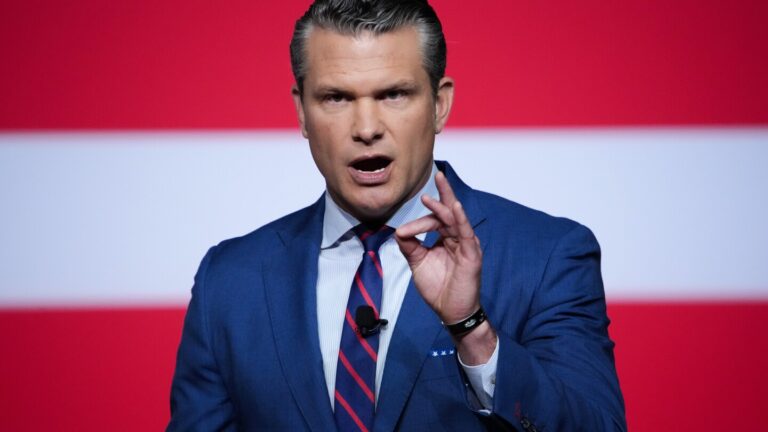
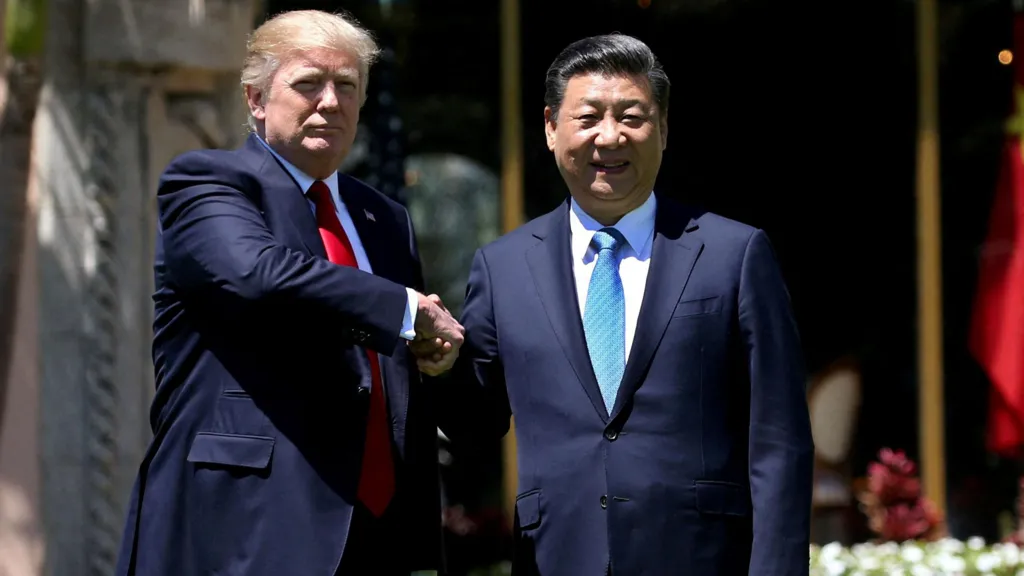
The United States and China have reached the framework of a major trade deal, U.S. Treasury Secretary Scott Bessent confirmed on Sunday, setting the stage for President Donald Trump and Chinese President Xi Jinping to finalize the agreement when they meet later this week in South Korea.
The framework aims to ease years of economic tension between the world’s two largest economies. It reportedly includes a resolution on TikTok’s U.S. operations, a pause on China’s tightened rare earth export controls, and a commitment by Beijing to resume large-scale purchases of American soybeans.
Bessent said the agreement represents “a substantial framework” that both sides have endorsed, and suggested that Trump’s threat to impose a 100% tariff on Chinese goods next month was unlikely to proceed. “The tariffs will be averted,” he told CBS, adding that both sides had agreed to “finalize details” for their leaders to review.
Beijing confirmed the progress, saying that both negotiating teams had reached a “basic consensus” addressing “their respective concerns.” The Chinese statement emphasized “constructive dialogue” and called the talks a step toward “mutual stability.”
Tariffs and Rare Earths at the Heart of the Dispute
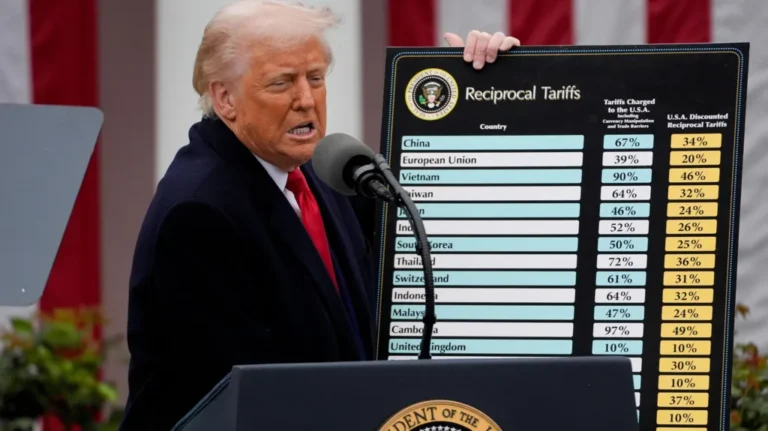
Since returning to the White House, President Trump has pursued an aggressive tariff policy, arguing that steep import levies would protect American jobs and revitalize domestic manufacturing. While the strategy has produced a series of trade realignments, it has also triggered retaliatory measures from trading partners, including China.
Earlier this month, Trump announced plans to double tariffs on Chinese imports, citing Beijing’s decision to tighten restrictions on exports of rare earth minerals—materials vital to high-tech industries, from electric vehicles to smartphones. China refines about 90% of the world’s rare earths, giving it enormous influence over global supply chains.
However, under the new trade framework, China will defer those export restrictions for at least one year while both nations “re-examine” the policy. The pause is expected to ease pressure on U.S. manufacturers that depend on the critical materials.
Bessent acknowledged that the restrictions had been a major sticking point in talks, saying: “We believe this deferral will stabilize the industrial supply chain and create breathing room for long-term cooperation.”
TikTok and Agricultural Trade Included in Agreement
Another central issue in the talks was the future of TikTok’s U.S. operations. The Biden-era mandate requiring ByteDance, TikTok’s Chinese parent company, to sell its American business or face a nationwide ban remains in effect. But Bessent said that a “final deal” had been reached that would see U.S. investors hold majority control of the platform’s board and algorithm, pending approval from Trump and Xi.
The White House is expected to formally announce the details after Thursday’s meeting, which will “consummate” the transaction, Bessent added. Trump, who once sought to ban the app, has since used TikTok as a campaign tool to engage younger voters.
ALSO READ: Maduro Accuses U.S. of Fabricating War as Massive Warship Deployed
Agriculture, another key point of contention, also featured prominently in the deal. China—the world’s largest buyer of soybeans—halted orders from U.S. farmers during the height of the trade war, devastating parts of America’s agricultural sector. Bessent, who himself is a soybean farmer, said he was optimistic that exports would resume. “I believe our farmers will feel really good about what’s coming for this season and beyond,” he said.
The progress in negotiations follows weeks of high-level discussions between U.S. and Chinese trade officials on the sidelines of the Association of Southeast Asian Nations (ASEAN) summit in Malaysia. Trump attended the summit as part of a wider tour of Asia, where the U.S. also announced trade agreements with Malaysia and Cambodia, and frameworks with Thailand and Vietnam.
While both nations are cautious about expectations, the agreement marks a turning point in U.S.-China relations after months of escalating rhetoric. Analysts say the deal could restore investor confidence and ease supply chain disruptions that have rippled through the global economy.
Still, uncertainty remains over enforcement and the durability of commitments once the political spotlight fades. “The framework buys time,” said one senior U.S. trade official, “but the real challenge will be implementation and trust.”
For now, the world’s two largest economies appear ready to step back from confrontation—choosing cooperation over escalation as Trump and Xi prepare to meet in Seoul for what could be the most consequential trade summit in years.