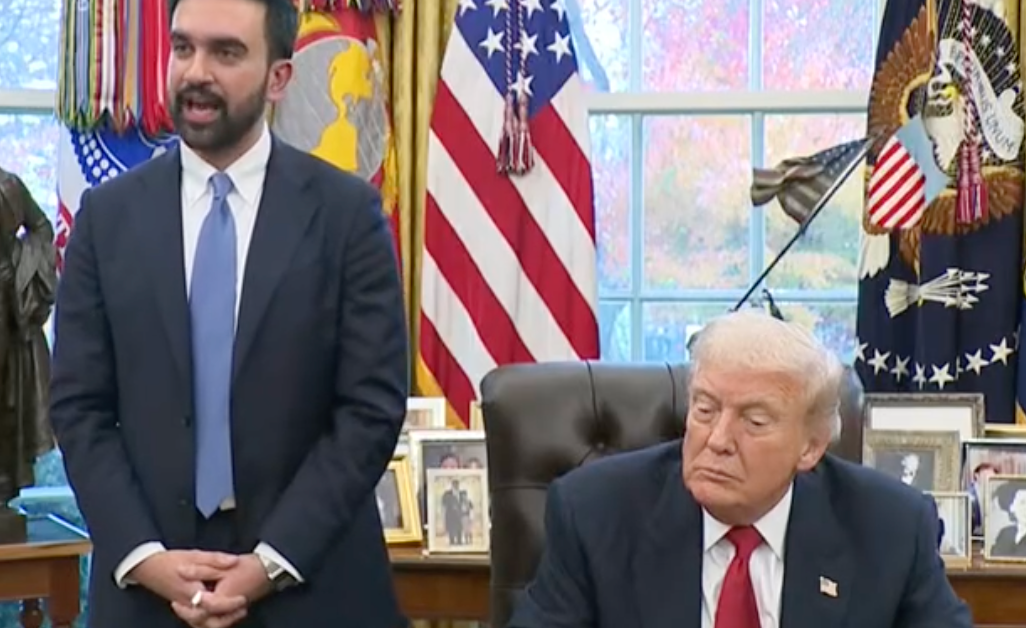
President Donald Trump met with New York City mayor-elect Zohran Mamdani at the White House on Friday, November 21 2025, in a meeting that defied their previous public antagonism and signalled a possible new rapport between the Republican leader and the self-described Democratic socialist. The encounter, held in the Oval Office, centred on shared concerns about housing affordability and high utility costs in New York, as both men sought to appeal to voters worried about living expenses. Trump described the talk as “really productive” and said “we agree on a lot more than I would have thought,” while Mamdani echoed the sentiment, calling it “a shared purpose” to serve New Yorkers.
The meeting comes after months of sharp public criticism: Trump had labelled Mamdani a “Communist lunatic” and threatened to withdraw federal funding from the city, while Mamdani had called Trump a “despot” and pledged to be his “worst nightmare” during his campaign. In the Oval Office, the two shook hands multiple times and spoke of practical steps ahead, signalling a sudden thaw in their relationship. Their joint comments revealed common ground on affordability, a core issue in both of their recent campaigns, particularly amid rising costs of living in America’s largest city.
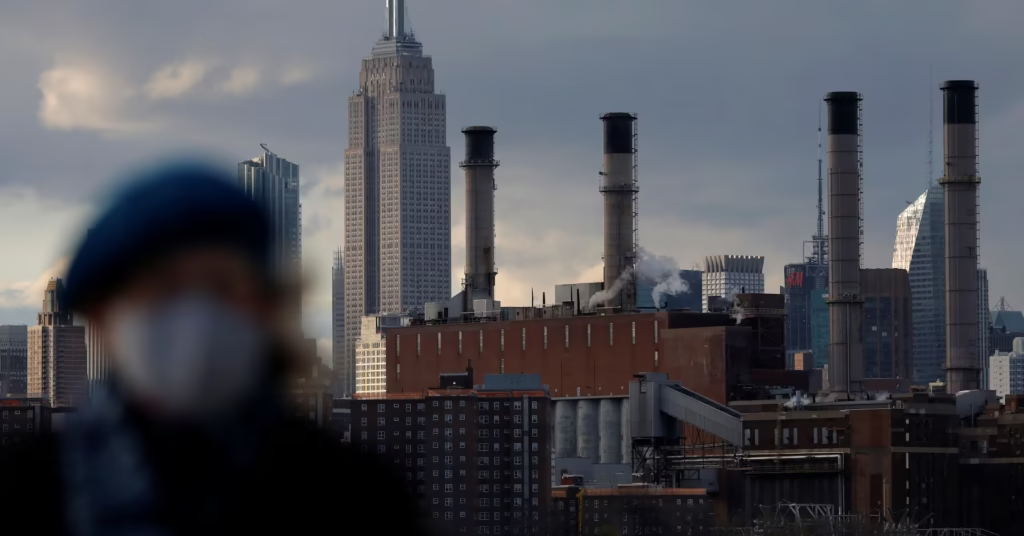
Affordability emerged as the primary agenda. Trump and Mamdani both referenced the need to reduce utility rates for New Yorkers; Trump specifically said the city’s main energy provider needed to “start lowering the rates,” and Mamdani agreed. The mayor-elect had campaigned heavily on freezing rents and expanding housing, and Trump, a former real-estate developer, appeared to endorse that approach, saying “some of his ideas are really the same ideas I have.” The joint stance marks a pivot away from ideological confrontation toward concrete policy messaging.
Despite the warmth, fundamental differences remain: Mamdani has long spoken out against Trump’s immigration policies and accused him of supporting authoritarian trends, and Trump continues to hold views at odds with the socialist mayor-elect. At one moment during the press briefing, when a reporter asked Mamdani if he stood by his earlier remarks that Trump was a fascist, the president interjected jokingly, “That’s OK, you can just say ‘yes’. It’s easier than explaining it.” The moment underscored the performative shift in tone, even if underlying contention persists.
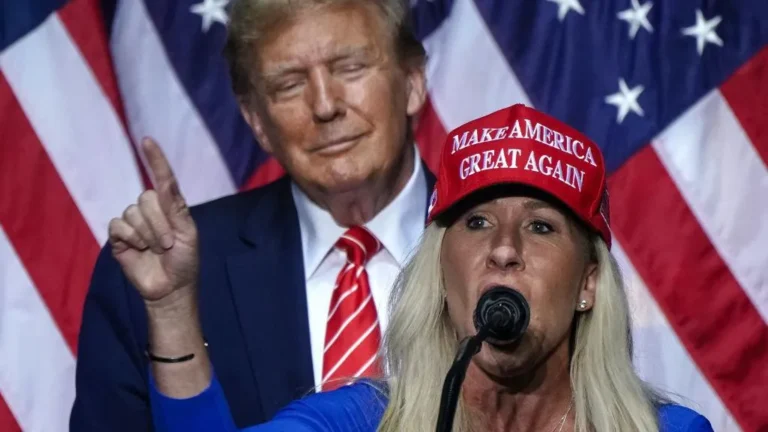
READ ALSO: Marjorie Taylor Greene to Resign After Public Feud with Trump
Analysts suggest the meeting serves multiple purposes. For Trump, it reframed him as a partner for change and planted him in New York politics with a fresh, cooperative image ahead of the 2026 midterms. For Mamdani, it offered access to the federal stage and a chance to demonstrate bipartisan reach despite being a progressive outsider. Political watchers noted the optics were strategic: the former adversaries standing together in the Oval Office reflected a moment of unity around cost-of-living issues that transcend traditional party lines.
To supporters of both men, the meeting was a rare indication that Democrats and Republicans may converge on voter concerns about inflation, housing, and utilities areas often overshadowed by culture war rhetoric. Trump’s newfound embrace of Mamdani seemed to signal recognition that populist concerns are not exclusive to the GOP. Likewise, Mamdani’s willingness to engage with Trump showed a pragmatic turn, even as he retains his progressive identity.
Whether the alliance holds remains uncertain. Critics warn that the spectacle may conceal deep ideological fault lines that will re-emerge once the photo-op ends. Many questions loom: how real is the cooperation on housing and utilities; will Mamdani accept federal participation in city matters that limit his progressive agenda; will Trump’s broader policy agenda remain compatible with a socialist mayor’s ambitions. The two men walked out of the Oval Office smiling but the agreement is as much about optics as substance.