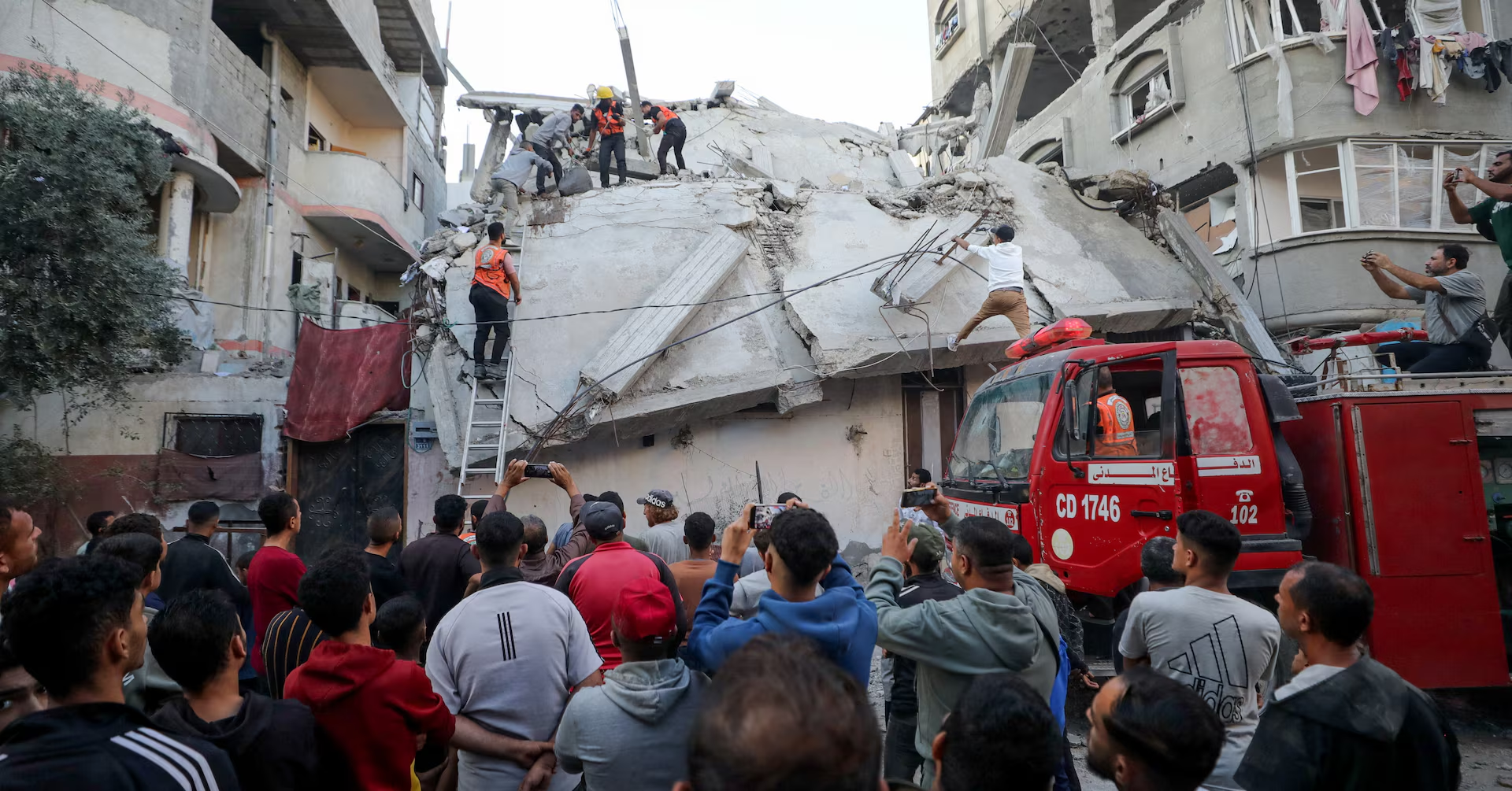
Israeli airstrikes on November 22 struck multiple locations across Gaza, killing at least 14 people and wounding others, according to local health authorities. The attacks came amid a fragile ceasefire that was brokered in October but has come under increasing strain. Witnesses said the first strike hit a car in Gaza City’s densely populated Rimal neighborhood, setting it aflame and killing several people.
Shortly afterwards, the Israeli air force hit two houses in Deir al-Balah and the Nuseirat refugee camp, with medics reporting at least five more fatalities. Later, another strike targeted a home in western Gaza City, leaving at least four people dead. The escalation deepens unease over the truce, raising fears that forward gains in aid and calm could unravel.
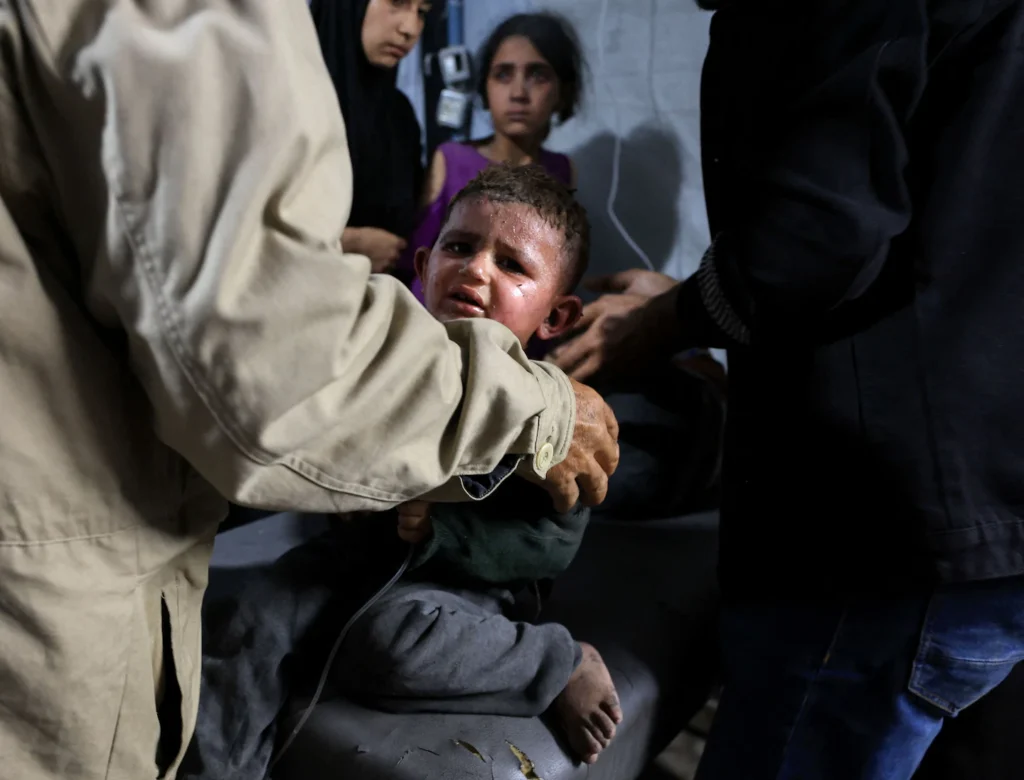
Israel justified the strikes by claiming a gunman crossed into its controlled territory using a humanitarian route a breach, the military said, warranted retaliation. Health officials in Gaza rejected the reasoning, stressing that strikes continue to hit areas with civilians. Israel accused militants of using aid corridors to launch attacks; Hamas denied the accusation, calling it a “pretext for violence.”
This flare-up follows earlier deadly strikes. On November 19, four separate Israeli attacks killed 25 Palestinians, according to Hamas-run health authorities. Those strikes targeted neighborhoods including Zeitoun in Gaza City and a UN-run club in Khan Younis. Local agencies say truce violations have become frequent, underscoring the volatility of the current agreement.
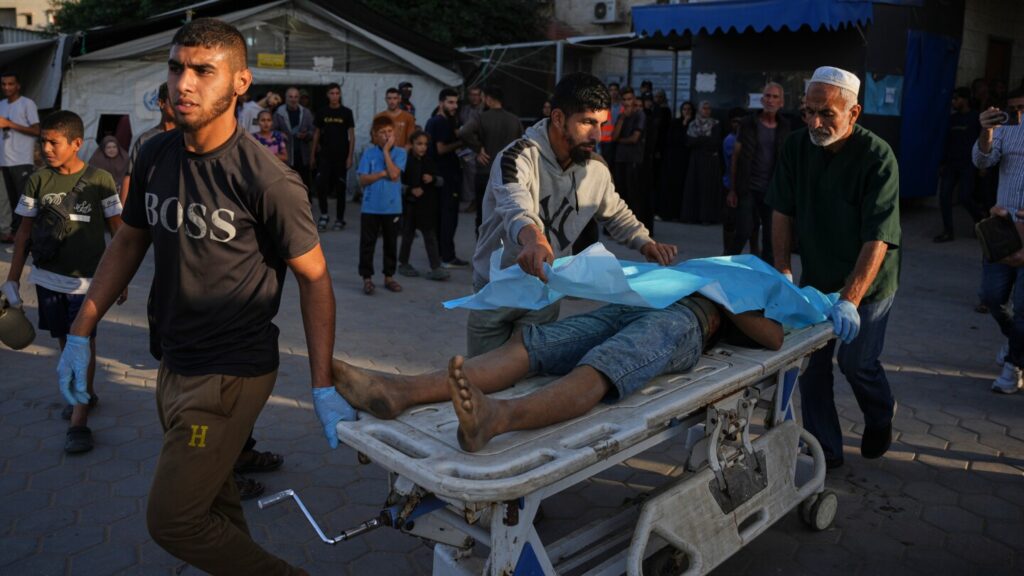
The ceasefire, which came into effect on October 10, was promoted as a first step toward stabilizing Gaza and increasing humanitarian access. But support on both sides has been increasingly tested, with ceasefire guarantors calling on Israel and Hamas to honor all aspects, including aid delivery and de-escalation. Critics warn that continued bursts of violence could derail hard-won agreements and inflame tension once again.
READ ALSO: European and Western Allies Urge Rework of US 28-Point Ukraine Peace Plan
Despite the ceasefire framework, reports suggest that Israeli forces maintain a strong military posture inside Gaza, while displaced families remain in densely packed shelters. The civilian toll from these strikes many in residential zones has alarmed aid groups and international observers, who warn of a return to constant insecurity.
The recent killings highlight a profound fragility: the ceasefire has not fully curtailed strikes, and both sides accuse each other of bad faith. As international mediators rally to shore up the agreement, Gazan residents brace for what may come next.