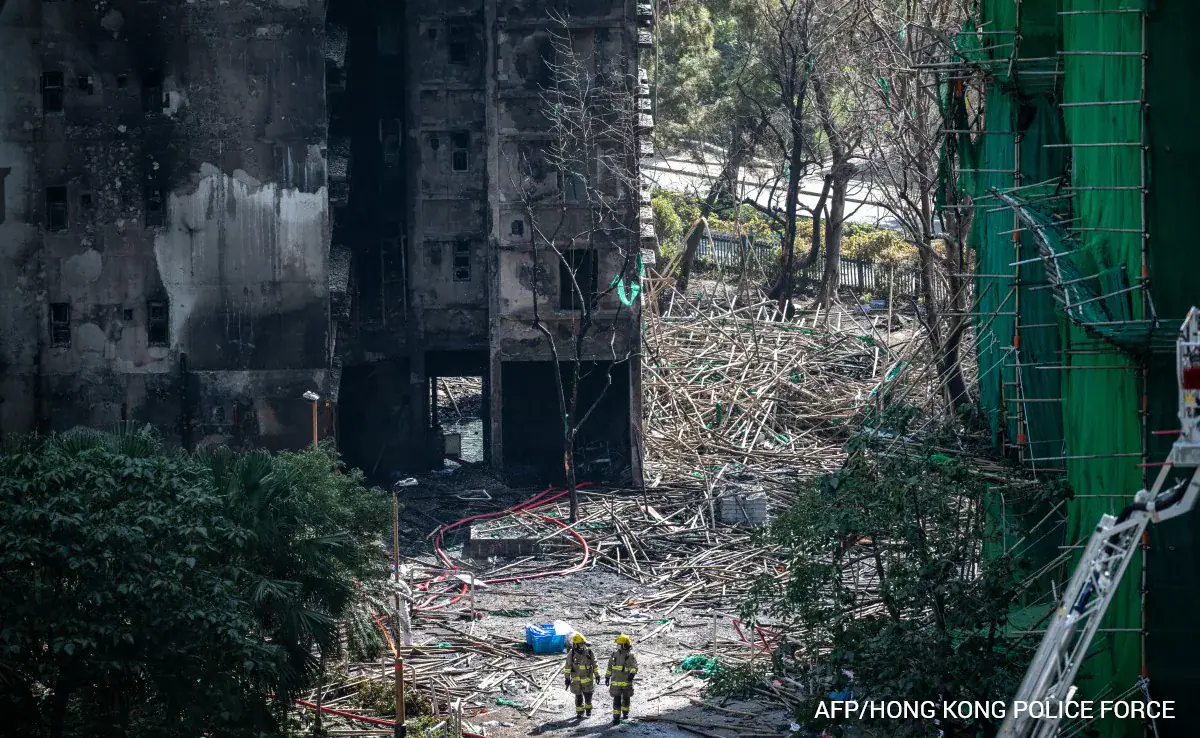
A catastrophic fire tore through Wang Fuk Court, a residential housing complex in the Tai Po district of Hong Kong, between November 26 and 28, 2025 – killing at least 156 people and injuring dozens more. Flames rapidly engulfed seven of the estate’s eight high-rise towers, fuelled by substandard renovation materials and flammable netting wrapped around bamboo scaffolding. Authorities believe defective fire-safety compliance and flawed renovations played a central role in spreading the blaze so quickly.
Firefighters battled the inferno for more than 43 hours. Many residents were trapped in apartments, corridors, rooftops and stairwells. As of today, rescue teams continue recovering victims as over 30 people remain missing, while more than 2,400 displaced persons have been relocated to temporary housing.
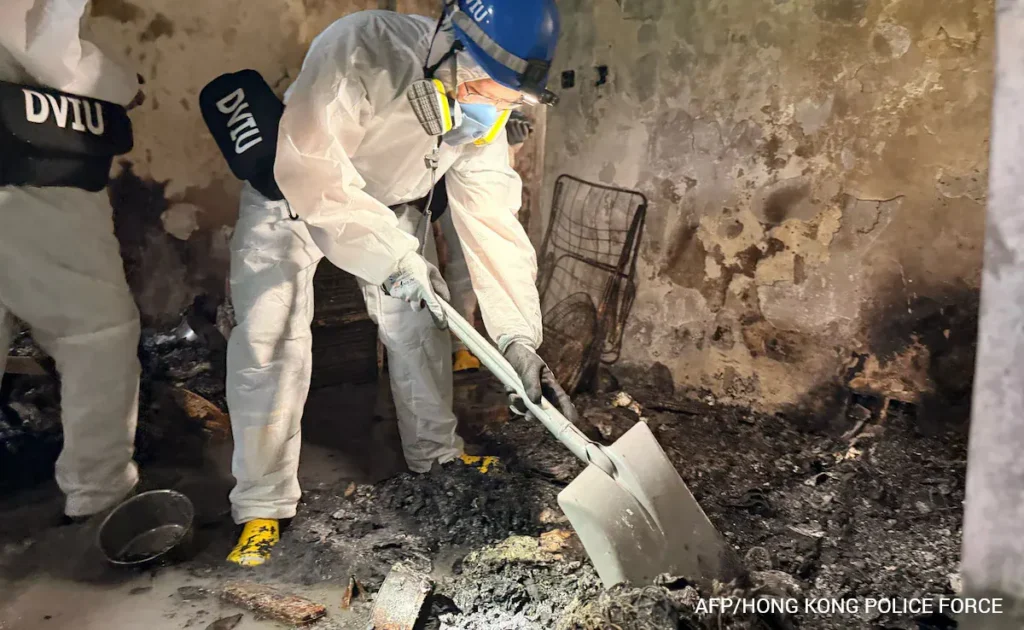
An urgent probe has been launched by the government, with at least 15 people arrested on suspected manslaughter and corruption charges. Officials warn that the figure of missing individuals could rise further, and have ordered an immediate review of building-renovation practices across the city.
Residents and civic groups have voiced outrage over alleged ignored warnings many had reportedly complained about unsafe renovation work at the estate months ago. Observers say the tragedy underscores systemic failures in safety enforcement for Hong Kong’s aging public housing stock.
READ ALSO: Appeals Court Disqualifies Alina Habba as New Jersey Federal Prosecutor
The city’s leader has pledged reforms, including stricter regulation of renovation materials, mandatory flame-resistant netting for scaffolding, and tighter inspection protocols. Temporary shelters have been set up and a relief fund activated to aid victims’ families and rebuild trust.
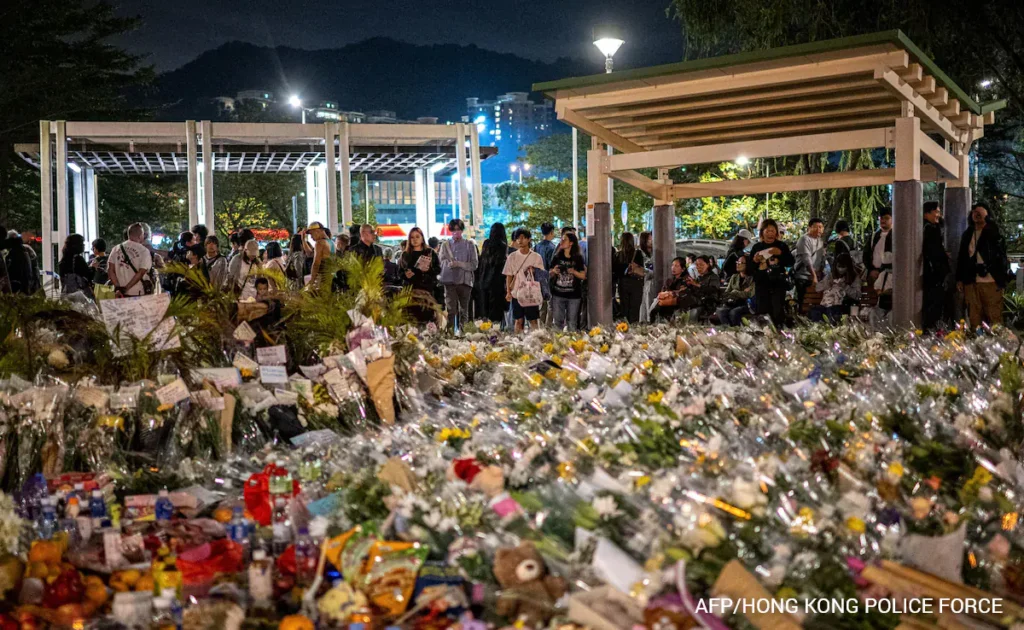
As Hong Kong mourns, international attention has turned to broader issues of building safety, regulatory oversight, and justice for the victims. This fire may well become a turning point for housing-safety norms in dense urban living.