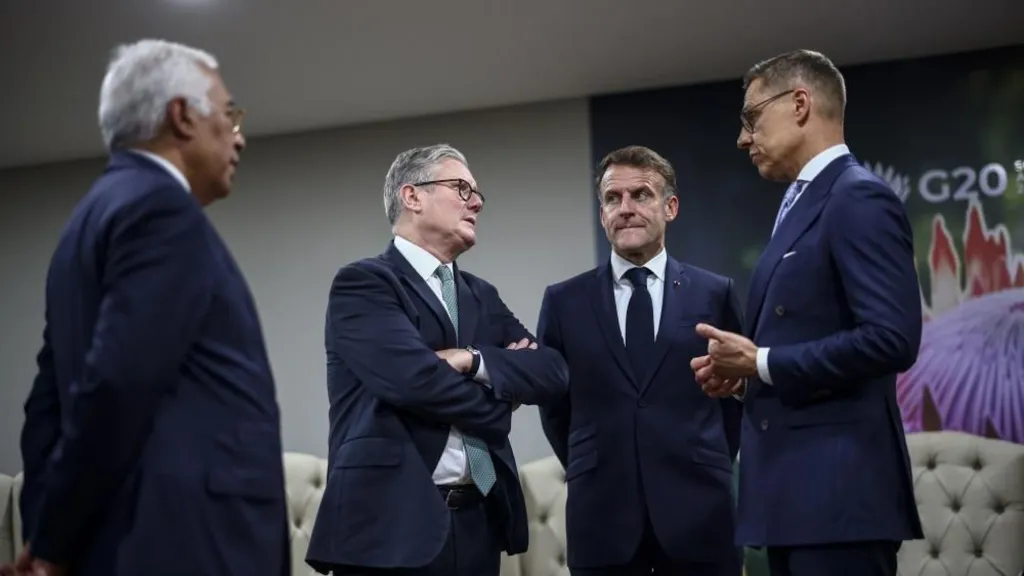
Western allies of Ukraine have pushed back sharply at a US-backed 28-point proposal to end the war with Russia, calling the plan a starting point that “will require additional work.” At the G20 summit in Johannesburg, leaders from key European countries, Canada, and Japan expressed concern over provisions they say undermine Ukraine’s sovereignty and security. They fear the draft would force Kyiv to cede territory, curb its military strength, and accept limits on NATO membership raising red flags over its long-term viability.
European Council President António Costa, joined by heads of state including those of France, Germany, the UK, Finland, Italy, and Japan, issued a joint statement warning that the plan, while containing elements for peace, “must not come at Ukraine’s expense.” They insisted that any changes impacting European or NATO security should have the full consent of their member states. More pointedly, they reiterated that “borders must not be changed by force,” a clear reference to clauses in the draft seen as favorable to Moscow.
The 28-point proposal reportedly requires Ukraine to scale down its armed forces to 600,000 personnel, well below its current strength, and to pledge constitutional neutrality by renouncing future NATO membership. It also suggests recognizing Russia’s control over contested regions like Donetsk, Luhansk, and Crimea and proposes stationing European jets in Poland. The plan would offer Ukraine “security guarantees,” though the terms remain vague, while promising Russia phased reintegration into the global economy.
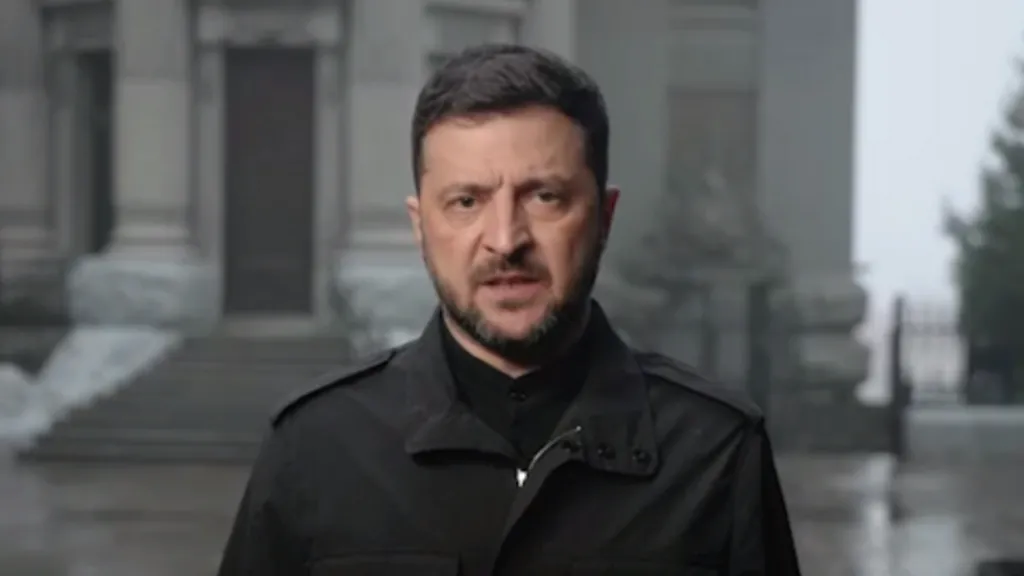
President Volodymyr Zelensky has acknowledged receiving the draft but has not formally accepted its terms. He warned his country faces a “difficult choice either losing dignity, or risking losing a key partner.” His chief of staff, Rustem Umerov, has denied agreeing to the plan, claiming he was only involved in technical discussions, not in endorsing any of its clauses.
READ ALSO: Israel’s Backed Militias in Gaza Deepen Fragmentation Amid Peace Plan
Germany’s Chancellor, Friedrich Merz, told reporters he made clear to the U.S. that Europe must be fully involved in negotiations. “If Ukraine collapses, it will affect all of Europe,” he said, stressing that any agreement must protect long-term European stability.
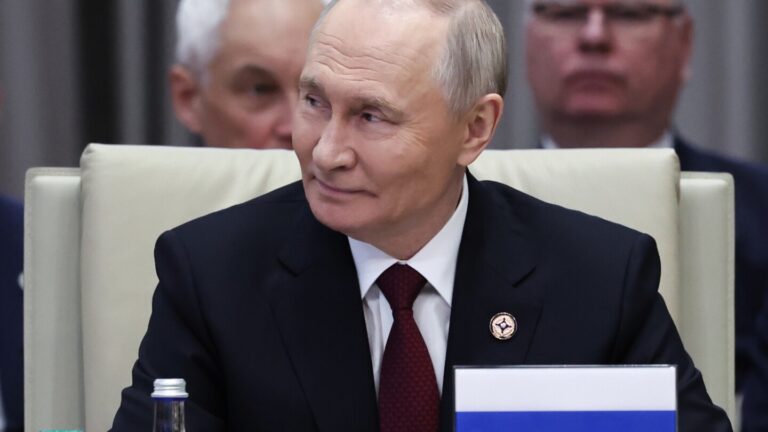
Russian President Vladimir Putin welcomed the plan, calling it a “potential basis” for a future settlement, though he acknowledged it had not been discussed in detail with Moscow. He also floated the possibility of restored ties with the West through economic cooperation, if sanctions were lifted gradually.
Diplomats are now preparing for urgent talks in Geneva, where national security advisers from Ukraine, the U.S., and European allies plan to iron out key issues. Meanwhile, EU leaders plan to convene for a special meeting on the margins of an upcoming EU–Africa summit to build a coordinated response.
Analysts warn that hasty adoption of a flawed plan could leave Ukraine exposed to renewed aggression. European leaders appear united in pressing for a deal that preserves Ukraine’s territorial integrity, ensures credible security guarantees, and strengthens not weakens its defense capability.